FASHION ED. : SYLLABUS
CURRENT EVENTS
DRESS CODES
HISTORY OF FASHION
INVESTMENT PIECES

DISCUSSIONS
identity
culture
business
finances
trends
social media
OCCASIONS
fashion etiquette
Fashion eras
Fashion houses
Designers
Fashion journalism
lets go there
communicate your perspective
lets go there communicate your perspective
DEBATES
LOGOS OR NO LOGOS?
is it a downgrade?
does expensive = better ?
find the dupe
YOU CAN NEVER BE OVERDRESSED
Agree or disagree?
QUALITY OVER QUANTITY
small quality vs. large cheap
THE MORE YOU KNOW
These originate directly from plants or animals and are processed into usable fibers.
NATURAL FIBER
Hemp
Source: Hemp plant
plant-based cellulose fiber; naturally strong and durable, and can be woven into fabrics ranging from relatively lightweight to quite substantial.
Commonly used for: Clothing, canvas, bags, home textiles.
Strengths: Durable, breathable, strong.
Weaknesses: can feel coarse, processing can produce much softer fabrics.
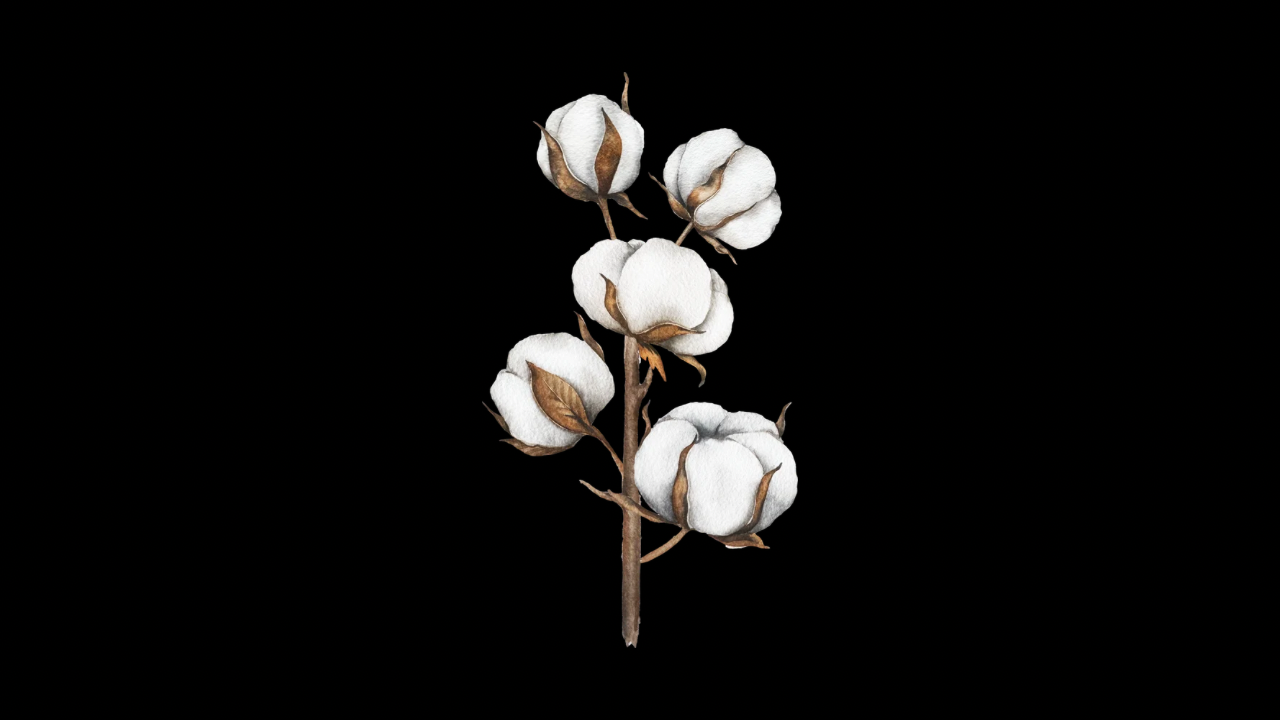
Cotton
Source: Cotton plant
plant-based cellulose fiber. soft, breathable, absorbent, and relatively easy to care for.
Commonly used for: T-shirts, underwear, jeans, dresses, sheets, towels.
Strengths: Breathable, comfortable, absorbent, versatile.
Weaknesses: Can wrinkle, shrink, and hold moisture.
Mohair
Source: Angora goats
AN animal fiber, specifically from the Angora goat. distinctive sheen; can be strong and resilient.
Commonly used for: Sweaters, coats, suits, scarves, blended fabrics.
Strengths: Lustrous, durable, warm, resilient.
Weaknesses: Can feel somewhat coarse depending on the fiber grade.
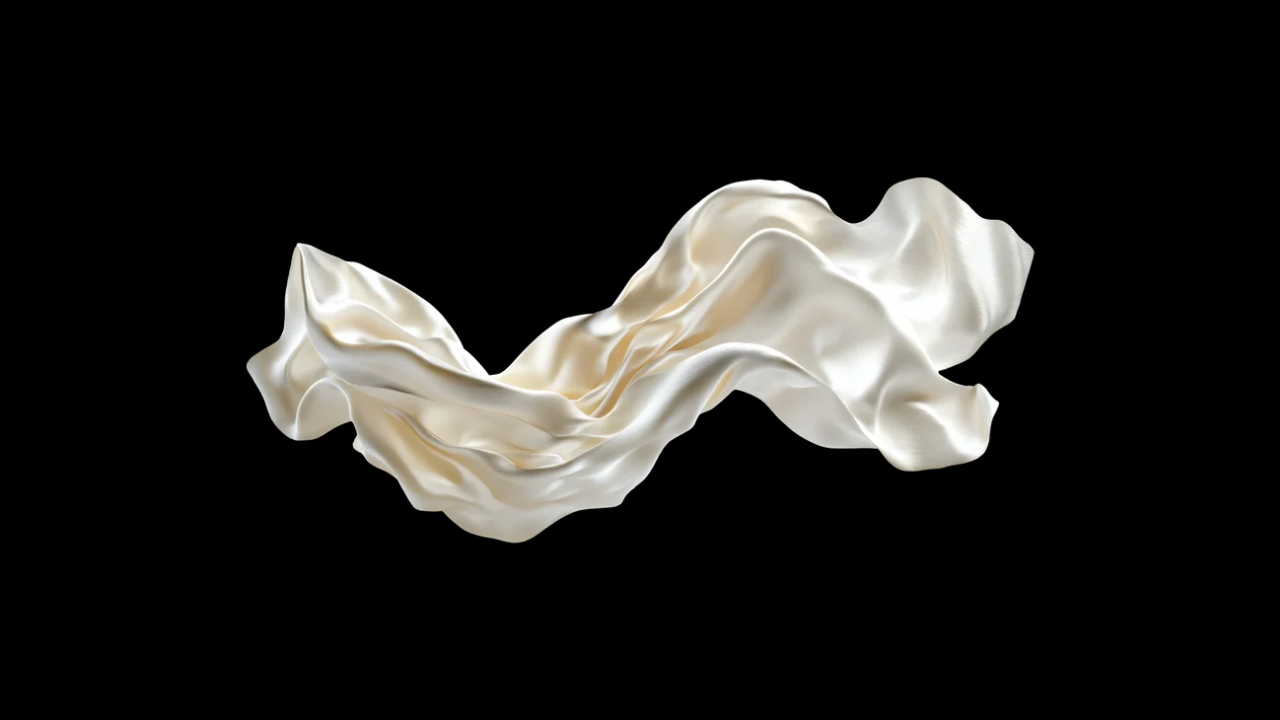
Silk
Source: Silkworm-produced silk filament
Silk is a natural protein fiber famous for its smooth hand, luster, and beautiful drape.
Commonly used for: Blouses, dresses, scarves, lingerie, eveningwear.
Strengths: Luxurious feel, beautiful drape, lightweight, lustrous.
Weaknesses: Can be delicate and sensitive to heat, abrasion, and some chemicals.
Linen
Source: Flax plant
fibers of the flax plant. known for being cool, breathable, and lightweight, which makes it excellent for warm climates. I
Commonly used for: Summer dresses, trousers, shirts, suits, bedding.
Strengths: Very breathable, durable, cool.
Weaknesses: Wrinkles easily and can require more care.
Cashmere
Source: Cashmere goats
Cashmere is actually a special type of wool, produced from the fine undercoat of certain goatS. The fibers are much finer and softer than ordinary sheep’s wool.
Commonly used for: Sweaters, scarves, coats.
Strengths: Exceptionally soft, warm, lightweight.
Weaknesses: Expensive, can pill, requires careful care.
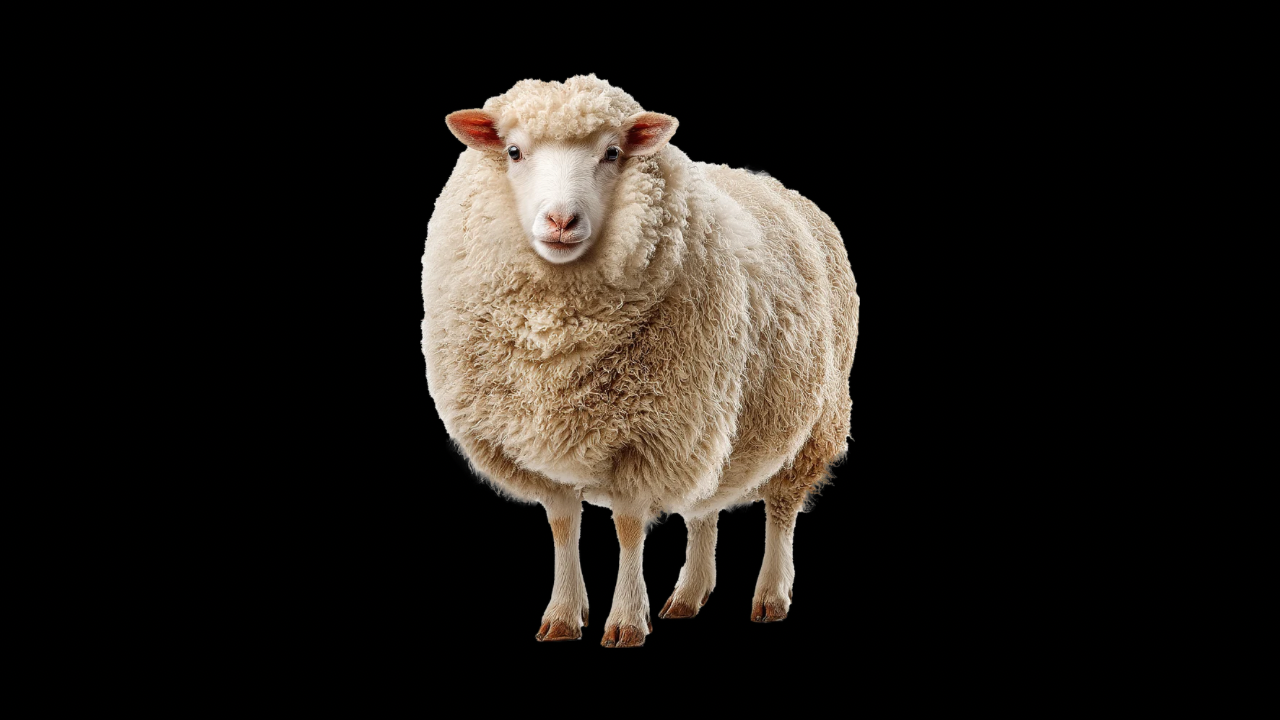
Wool
Source: Sheep and other wool-producing animals
an animal protein fiber. Its special quality is its ability to provide insulation while managing moisture.
Commonly used for: Coats, sweaters, suits, trousers, scarves.
Strengths: Warm, insulating, resilient, moisture-managing.
Weaknesses: Can shrink or felt with improper washing; some people find it itchy.
Alpaca
Source: Alpacas
an animal protein fiber similar to wool; soft, warm, and relatively lightweight.
Commonly used for: Sweaters, coats, scarves, blankets.
Strengths: Warm, soft, lightweight, naturally insulating.
Weaknesses: Can be expensive and may require delicate care.